
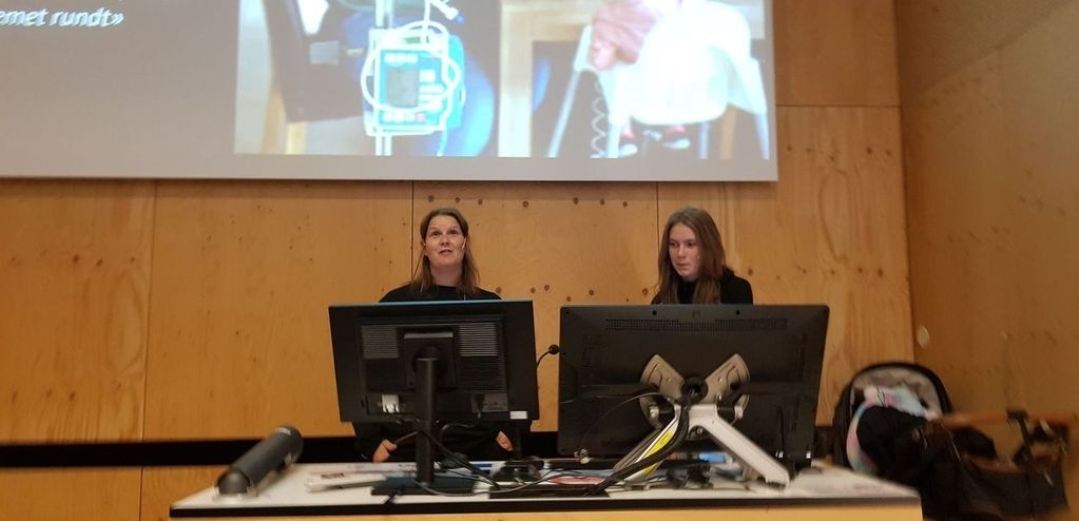
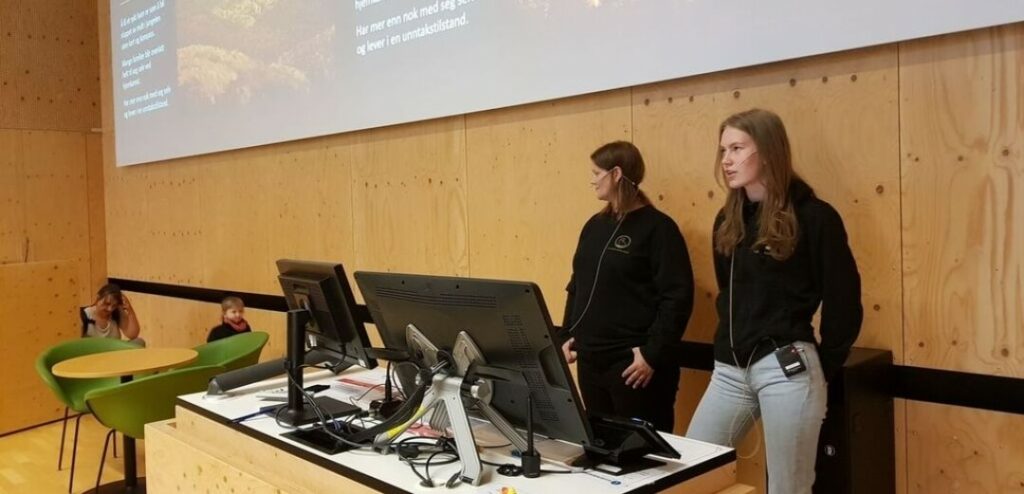
Løvemammaene are once a half year, under the auspices of the Carrying Together project, was invited to give a lecture on the perspective of relatives for future doctors who are in the 9th term of medical school. Board member Lene Nilsen and her 15-year-old daughter Amalie gave the lecture together.
Lene and Amalie talked about what it's like to be in a family when your little sister gets a serious diagnosis, where no one can say anything about the future. Lea's doctor talks a little about the perspective as a doctor, when to give a diagnosis and the follow-up. Amalie talked about what it was like to deal with one diagnosis after another, and for a period of time it felt like it never stopped. How the worries are when you go to school and know that your little sister is unwell at home, and you look out the window and just wait for the air ambulance to pass overhead.
Both talked about the white grief, and how it manifests itself both for a lioness mother and from a sibling perspective. Amalie also talked about seeing other friends' siblings who are the same age as Lea, and the differences between what they can do and what Lea can do. In addition, Lene talked about the thoughts around Lea not reaching the same milestones as other children and the sadness that it will not be the same with Lea
When they talked about the white grief, Amalie also touched on the topic of "forbidden thoughts", which is about the thoughts she may have about having a sick little sister, and what life would have been like without a sick little sister. The realization that we are all human and will think like this when faced with such an extreme situation. But also the importance of talking about it at home, that it is okay to have them. Amalie and Lene want the healthcare system to be more open about having these feelings, and for healthcare personnel to dare to talk to families about this. It is okay to feel these feelings. You should not carry a sense of shame about feeling them sometimes.
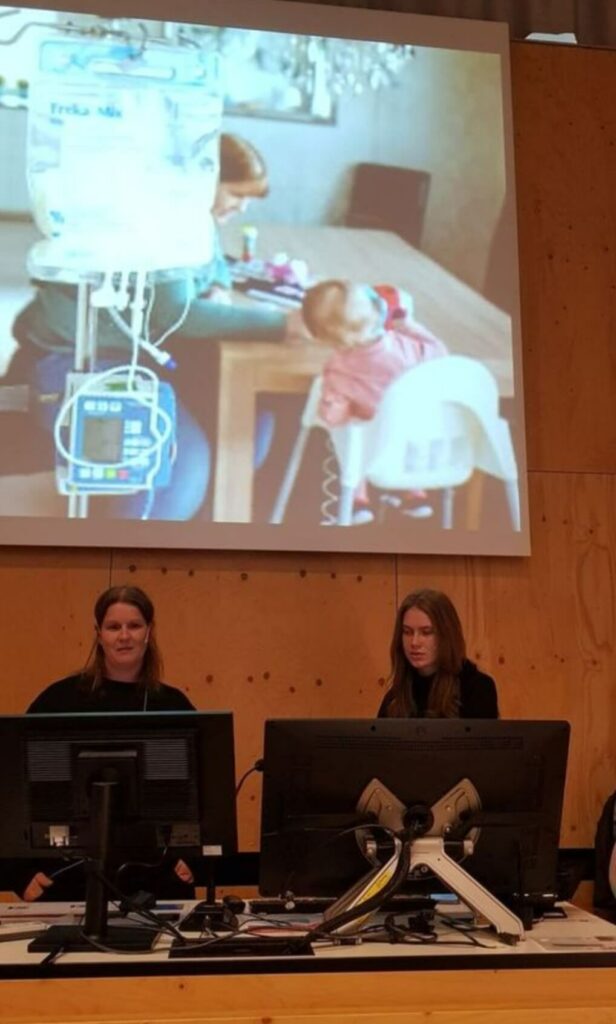

Lene talked about what it's like to be a mother and take care of both herself and her siblings. Giving enough information, but at the same time not transferring more burden than necessary to her children, and how she arranges for them to live their teenage lives despite a seriously ill little sister. Amalie talked about how important it is to make arrangements so that children and adolescents can still live as normal a life as possible, and how important it is to get help into the home so that mom can be a mom to all the children.
One experience that Amalie highlights as nice is the way the children's ward arranged for the siblings to get to know the equipment when Lea got PEG. The fact that the nurses took the time to show her the doll and all the accessories, explain what would happen if it fell out and how to put it back in place. The fact that they helped to make this harmless and confirmed that it would not hurt to use the equipment on her made them confident that they could play and do as they usually do with Lea after the operation.
We thank you for allowing us to come and look forward to coming back next time for a new cohort of medical students.
 English
  Norsk bokmål
  العربية
  Français
  Deutsch
  हिन्दी
  كوردی
كوردی  فارسی
فارسی  Soomaali
  Español
  Kiswahili
  தமிழ்
தமிழ்  Tigrinya
  Українська
  اردو
اردو