
Universal Design
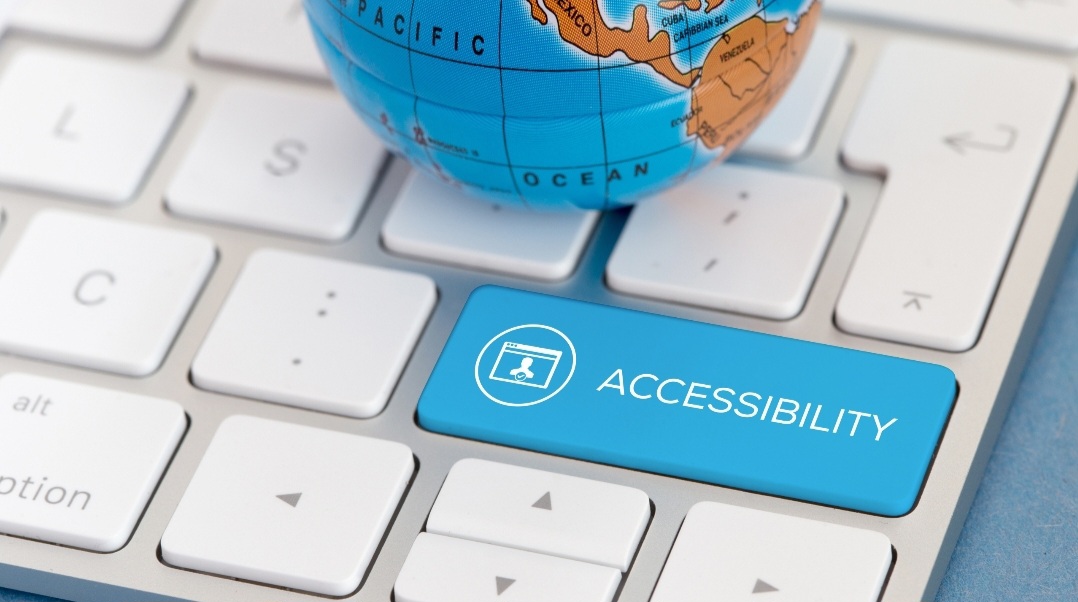
The value basis for universal design is to make it possible for everyone to have equal opportunities for personal development, participation in society and life expression. This means that people with functional variations must be able to get easily into and around all public buildings, outdoor areas and parks, playgrounds, public transport and generally be able to travel safely and independently around society. It is fundamentally important to achieve equal living conditions for people with functional variations related to vision, hearing, movement and understanding. Universal design is critical to ensure equality and accessibility for all.
In the spring of 2021, the government presented a supervisor in universal design which points to how planning can contribute to universally designed society. Community and spatial planning is an important means of achieving this. We all have a responsibility to contribute to an equal and equal society where everyone can participate. It is about these values being a premise; before the thoughts are thought, before the plans are laid and before the lines are drawn. The concept must be built on and fence about inclusion and equality. For all. Short and sweet.
Requirements for buildings and structures
There are separate regulations on technical requirements for construction works, and the regulations require that the main solutions must be designed so that they can be used by as many people as possible, in an equal way. The requirement includes both the floor plan and other conditions that affect the usability of the building, such as light conditions, sound conditions and the indoor environment. Requirements for universal design apply to buildings for the public and work buildings (chapter 12 of the guide to TEK17). Examples of buildings for the public are cultural centres, cinemas, public offices, doctors' offices, shops, accommodation buildings, station buildings and the like. Facilities and constructions can be sports arenas, petrol stations, wharves, bridges, viewing platforms, outdoor swimming facilities and the like.
Requirements for ICT solutions
ICT solutions in Norway must be universally designed. This applies to online solutions, apps and vending machines. Both private and public enterprises, teams and organizations must follow the regulations. Universal design is based on the idea that services should be available to everyone, regardless of age, functional variation and level of education. By making room for diversity, one contributes to self-determination, participation on equal terms.
Play and culture
The lion mothers miss leisure activities and playgrounds arranged for children and parents with functional variations, including also amusement parks and cultural experiences. Our children are a group that is often forgotten in planning and design, and who therefore often become spectators to the game instead of participants. This despite the legislation stating that emphasis must be placed on universal design so that the area is accessible to everyone, especially children's needs for play and living/outdoor space.
Today, there are almost no playgrounds with a single piece of play equipment suitable for children in e.g. wheelchair, even in the schoolyards there are no playground equipment. It is not good enough to simply ensure access, with nice paths and low pavements so that the children can get right to the games. It doesn't help much when the children can only sit passively and watch all the other children playing because they can't get on the castle, the slide or the like. Children who have functional variations have the same needs as many other children; feeling of mastery, joy in sensing, playing and being around others.
The need for universal design also applies not only to children who sit in wheelchairs, or who have other functional variations, but also to parents who sit in wheelchairs and who cannot play with their children.
There is also great variation in the municipalities' expertise in universal design and how this field is taken care of in the planning of cities and towns.
Legislation and guidelines
Roadmap Universally designed neighborhood school 2030
Table of contents
- SUBJECTS: Rights, Universal Design
- Published:
- The lion mothers
- SUBJECTS: Rights, Universal Design
- Published:
- The lion mothers
 English
  Norsk bokmål
  العربية
  Français
  Deutsch
  हिन्दी
  كوردی
كوردی  فارسی
فارسی  Soomaali
  Español
  Kiswahili
  தமிழ்
தமிழ்  Tigrinya
  Українська
  اردو
اردو