
Siblings as next of kin
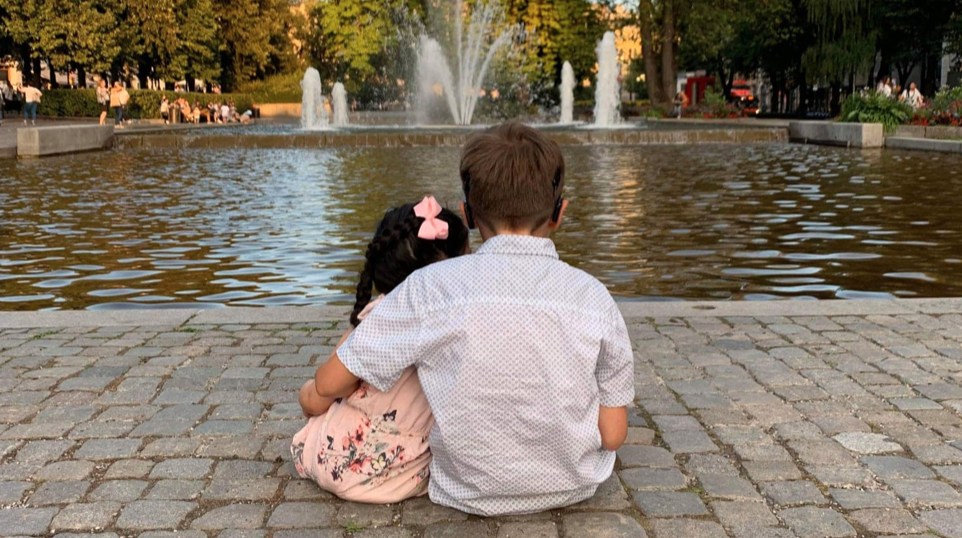
What is it like to live with a sibling who has a functional variation, a sibling who has a serious illness or a sibling who is about to die? One thing is certain, it is a kinship role on an equal footing with other kinship roles and all that entails.
Underage children who have a parent or sibling with mental illness, drug addiction or serious somatic illness or injury have rights, according to the Health Personnel Act.
Healthcare personnel connected to the patient must investigate whether there are minor children in the family and, when necessary to look after the needs of these minor children, the healthcare personnel must, among other things:
- Have a conversation with the patient about the child's information or follow-up needs and offer information and guidance on relevant measures. Within the framework of the duty of confidentiality, the health personnel must also offer the child and others who care for the child to take part in such a conversation
- Obtain consent to carry out follow-up that the health personnel deems appropriate
- Contribute to ensuring that the child and persons who care for the child, in accordance with the rules on confidentiality, are given information about the patient's illness, treatment and the possibility of contact. The information must be provided in a form that is adapted to the individual requirements of the recipient
It is not always easy to be the "healthy" child in a family with illness. There are often many worries about children in need of care, and many parents sit with thoughts about what the future will be like.
Who takes care of the nursing needs?
How is the daily life and quality of life of the sick child?
What happens to the sibling when the parents can no longer help the sick child?
Functionally healthy siblings also often have many thoughts about this. They may also feel guilty for "living their life", avoiding being at home as much, and not being around/caring for their sibling as much as they may feel they have to. There are many siblings who feel relief when the child in need of care goes on respite care or is admitted to hospital, because then they finally get time with one or both parents, as well as "be alone". Some may feel jealousy and even wish they were the sick one, to get the attention it triggers. These are also thoughts that can give the siblings a bad conscience, which they often do not dare to say out loud to their parents for fear of hurting them.
The sibling can also become very restless and scared when the child is suddenly not at home as usual, e.g. in hospital admissions. It can be difficult and painful to miss, ponder and worry, and again be without mum and/or dad.
These are completely normal thoughts and concerns to have, but still very important to talk about!
- It is important to be open and honest.
If you keep things hidden, children will often make up their own reality of their sibling's illness and severity. - Ask questions and listen to the children.
How do they feel about the situation? Do they have any difficult or hurtful thoughts? Be the parent who says "I can stand hearing what's on your mind and will listen to you." - No thoughts or feelings are wrong.
Tell the sibling that all feelings and thoughts are natural reactions and that none are wrong or forbidden. Acknowledge the thoughts and feelings they have. - Get help/offers.
Early intervention is the key word. Either in the form of conversations, group meetings with other siblings, play therapy in the hospital or guidance, e.g. via the municipality or BUP.
It is also important to remember that everyone is different and can have and get different reactions, both now and later.
Siblings of children with serious illness or functional variation are often a forgotten group. This is because they quickly learn to be considerate, many of them often are adults for the age and have had to take responsibility early on, but all the more important that they are seen, heard and recognized. Adults must help siblings remember their own needs.
It must also be highlighted that the siblings of children with illness/functional variations often develop a strong empathy, are incredibly caring, open and inclusive, patient and understand that the parents are in a difficult situation. They have many good qualities and characteristics that make them wonderful people!
There are different offers for siblings
- You can get offers and information about diagnosis/challenges at the hospital where your sibling is being treated (helsenorge.no )
- Conversation with healthcare personnel (nurse, doctor, etc.)
- Conversation in support groups (The relative center)
- Sibling Camp (Frambu's sibling camp)
- Conversation with the health nurse at school or health center (check your municipality)
- Conversation with health personnel and parents about what will happen in the future (GP, habilitation, etc.)
- It may also be that your municipality has offers for you as a sibling - check your municipality for info
Parents are also entitled to various forms of relief to look after siblings. This is applied for in your municipality. It can e.g. be a couple of extra hours BPA in the week, support contact and/or ordinary relief. We have also compiled a small general overview of various offers for relatives here.
What about the child in need of care?
The lion mothers also want to highlight the other perspective. Although we believe that the offers are far too poor for children as relatives, either as siblings or parents, we also miss offers for the child in need of care.
There are many mixed feelings when it comes to able-bodied siblings, but what about siblings who have an illness or functional variation?
How do they experience having healthy siblings? We are concerned that these children should also be seen and heard.
It is incredibly difficult to be "quiet and needy child". The child who is often so sick that they are drowned out by healthy siblings who can shout at their parents or can physically go over and pull their mother or father by the arm when they want something. Or who deliberately gives way because bad conscience about already being "time-consuming". The child with functional variation receives a lot of attention when it comes to the illness, treatment and care, but they also need attention and time beyond what deals with the need for care. They need to be seen and heard in the same way as all other children.
This balancing act is difficult for parents.
Unfortunately, we know all too well how the time you would like to spend as a parent just playing, having fun and cuddling, is instead replaced by having to be a coordinator, doctor, lawyer, nurse, physiotherapist, nutritionist, quarrelsome elephant etc. What can often happen is that the child in need of care gets time from his parents for the above, while time for fun activities and cozy moments together can be limited. That is why this perspective is also so important to take with you!
How do children with illnesses/functional variations feel when they see their parents spending time with able-bodied siblings drawing, playing with horses or cars, and being on the playground?
How is it experienced when only siblings are allowed to stay with grandparents because missing night watch?
How do they feel when the sibling reaches milestones that the child with functional variation never gets to experience?
How do they experience it as young people when their siblings go to parties, study abroad or come home with their first girlfriend, while they themselves may be prevented due to lack of assistance?
We know from experience that the children in need of care are often very generous, kind and caring, both towards parents and siblings, but they can also feel the feeling of injustice and lack of coping. It is therefore important that the public aid system does not take children with illnesses/functional variations for granted, and ensures that the psychological and psychosocial aspect is taken care of through rights/offers for these children as well.
We are very concerned that in all offers and measures, whether it is for siblings as relatives, parents as relatives or the person who is ill themselves, the agencies that are supposed to help must be able to see the whole picture - the so-called the total package. They must see the whole family, both individually and collectively.
Relevant legislation and guidelines
The Norwegian Directorate of Health's next of kin supervisor
Research on children as relatives
Act on Health Personnel: Health personnel's duty to contribute to looking after minor children who are relatives
Health personnel must contribute to looking after the need for information and necessary follow-up that minor children may have as a result of the child's parent or sibling being a patient with a mental illness, drug addiction or serious somatic illness or injury.
Healthcare personnel who provide healthcare to a patient as mentioned in the first paragraph must seek to clarify whether the patient has underage children or underage siblings and the person concerned's information or follow-up needs.
Tips on how to talk to children and young people about illness
Torun Vatne is a psychologist PhD and works at Frambu, center for rare diagnoses. She is the project manager for the research project "growing up as a sibling of children with disabilities" and talks in this film about siblings as relatives:
Table of contents
- SUBJECTS: Life with a sick child, Rights
- Published:
- The lion mothers
- SUBJECTS: Life with a sick child, Rights
- Published:
- The lion mothers
 English
  Norsk bokmål
  العربية
  Français
  Deutsch
  हिन्दी
  كوردی
كوردی  فارسی
فارسی  Soomaali
  Español
  Kiswahili
  தமிழ்
தமிழ்  Tigrinya
  Українська
  اردو
اردو